Trading Hours
Mon - Fri: 8:30am - 5:30pm Sat: 8:30am - 5:00pm
Free Consult for Full Mouth Rehabilitation, Cosmetic/Smile Makeover, Dental Implants, All-on-4/5/6, and Aligners/Invisalign.

Mon - Fri: 8:30am - 5:30pm Sat: 8:30am - 5:00pm
Free Consult for Full Mouth Rehabilitation, Cosmetic/Smile Makeover, Dental Implants, All-on-4/5/6, and Aligners/Invisalign.
Dental crowns and bridges are custom-made restorations designed to fit over prepared natural teeth or dental implants. They may be used to restore function, protect remaining tooth structure, or address aesthetic concerns only where clinically appropriate.
Patients seeking dental crowns or bridges in Keysborough can attend a consultation at Keys to Smile to assess suitability and determine the most appropriate treatment option.
Although often discussed together, crowns and bridges serve different purposes. The choice of restoration depends on individual clinical needs.
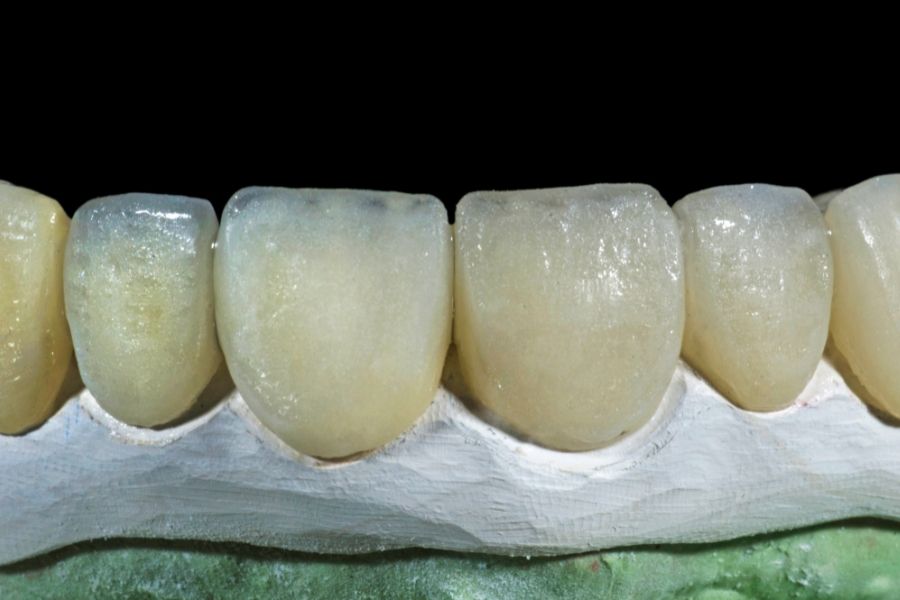
Dental crowns are full coverage restorations designed to protect or restore the function of teeth that are weakened, damaged or heavily restored.
Crowns may be considered to:
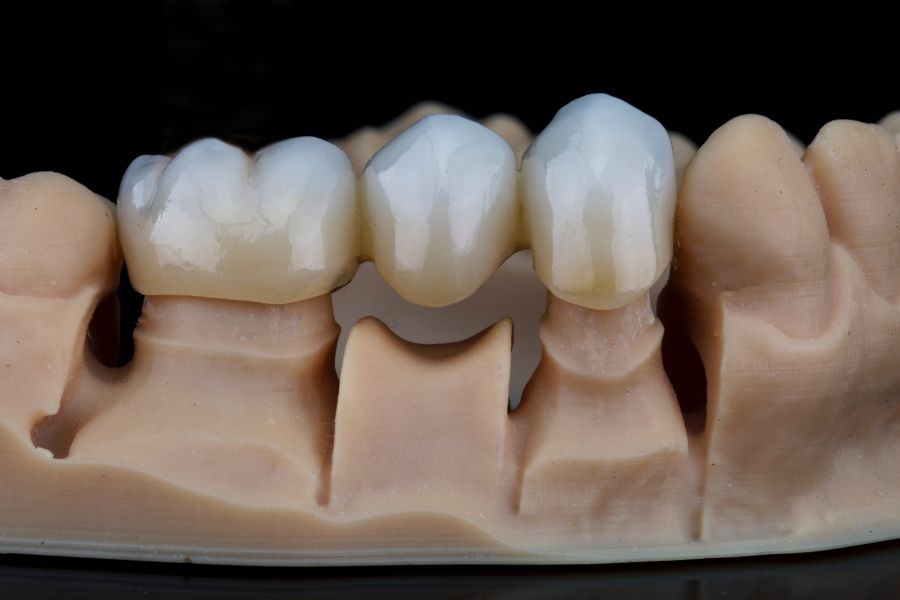
Common crown materials include:
Patients considering dental crowns in Keysborough require a consultation to determine clinical suitability.
Dental bridges are fixed restorations used to replace one or more missing teeth by spanning the gap between adjacent teeth or dental implants.
Bridges may help with:
Types of dental bridges include:
Patients considering dental bridges in Keysborough require a full assessment to evaluate bone health, bite forces and long-term prognosis.
The selection of dental crowns and bridges depends on multiple clinical factors, including:
No single treatment option is suitable for all patients, and treatment outcomes cannot be guaranteed.
Each treatment plan is personalised, but the general process may include the following stages.
While these restorations can provide functional and aesthetic benefits, it is important to understand potential risks and limitations.
Possible risks include temporary tooth sensitivity, gum irritation or fracture of the restoration.
Limitations include that restorations do not prevent underlying dental disease, are not permanent and may require replacement over time.
Individual suitability and longevity depend on factors such as remaining tooth structure, bite forces, gum and bone health, and the materials used.
A thorough consultation with your dental professional is essential to determine the most appropriate option and to discuss personalised risk management.
The lifespan of fixed dental restorations depends on appropriate care and regular review, including
Individual aftercare advice is provided following treatment.
If you are considering dental crowns or bridges in Keysborough, a consultation allows you to explore clinically appropriate options based on your oral health, goals and diagnostic findings.
All treatment decisions remain informed, considered and patient led.
Areas We Serve: Braeside, Dingley Village, Springvale, Noble Park, Aspendale Gardens, Chelsea Heights, Chelsea.
There is no single best option. Each treatment serves a different purpose, and suitability depends on your teeth, bite and overall oral health.
Treatment is usually comfortable with local anaesthetic. Mild sensitivity afterwards may occur but is generally short term.
Yes. While the crown itself does not decay, the tooth and gums around it can be affected if oral hygiene is poor.
No. A clinical assessment is required to determine suitability.
No special maintenance is required beyond daily brushing, flossing and regular dental check-ups.

