Trading Hours
Mon - Fri: 8:30am - 5:30pm Sat: 8:30am - 5:00pm
Free Consult for Full Mouth Rehabilitation, Cosmetic/Smile Makeover, Dental Implants, All-on-4/5/6, and Aligners/Invisalign.

Mon - Fri: 8:30am - 5:30pm Sat: 8:30am - 5:00pm
Free Consult for Full Mouth Rehabilitation, Cosmetic/Smile Makeover, Dental Implants, All-on-4/5/6, and Aligners/Invisalign.
What are dentures?
Replace single or multiple missing teeth.
Dentures (false teeth) replace missing teeth, and help to restore your smile and function including speech and mastication (chewing).
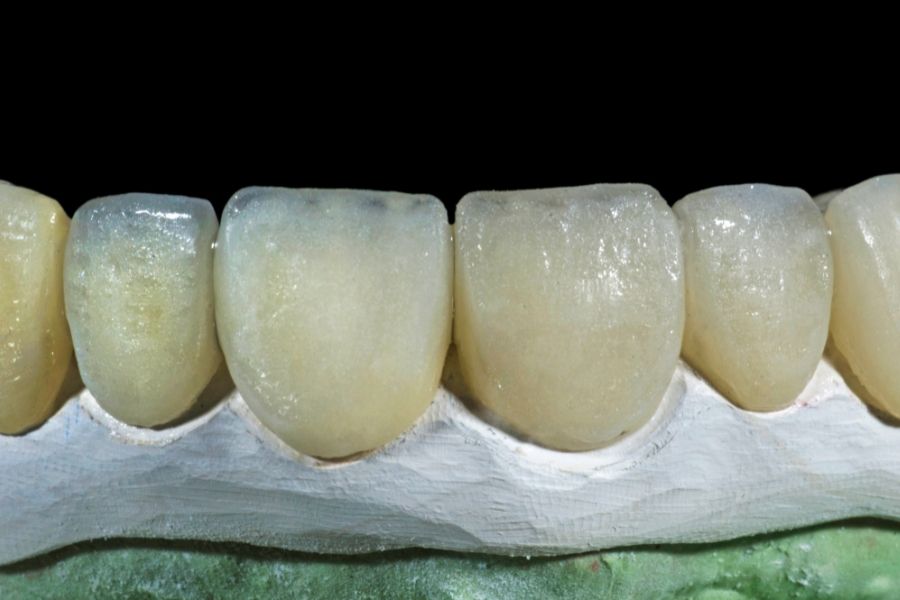
Dentures are a removable substitute for natural teeth and are popular among older adults. Although dentures are a common method of teeth substitution for a long time, the procedure has advanced significantly over the years, making dentures more satisfying in terms of fit and natural-looking. Dentures are a good way to replace lost teeth if you look for a temporary tooth-replacement option or a non-surgical, non-invasive method. Our dentures are made from acrylic and are colour tailored to match your existing teeth and the colour of your gums.
Call our dentures near Dingley Village team at Keys to Smile, who can advise you the best option for partial or complete dentures to treat your dental problems before you start the measurements, fabrication, fit, and care maintenance processes.
Types of Dentures
Full Dentures
Full dentures are a total replacement for all teeth on the upper or lower jaw, or both. Full dentures can be removable or can be a fixed option using Dental Implants.
For the ones who lost most of their natural teeth, full dentures are helpful and advised. All teeth on the top and/or the bottom jaw are replaced by full dentures. They may be conventional or immediate. More than two to three months after the removal of the teeth, conventional dentures are fitted to healed gums. On the day of removal of teeth, however, immediate dentures can be arranged to make sure patients do not leave the clinic without teeth, during the healing period. Realignment is usually necessary soon after immediate/ instant dentures.
Partial Dentures
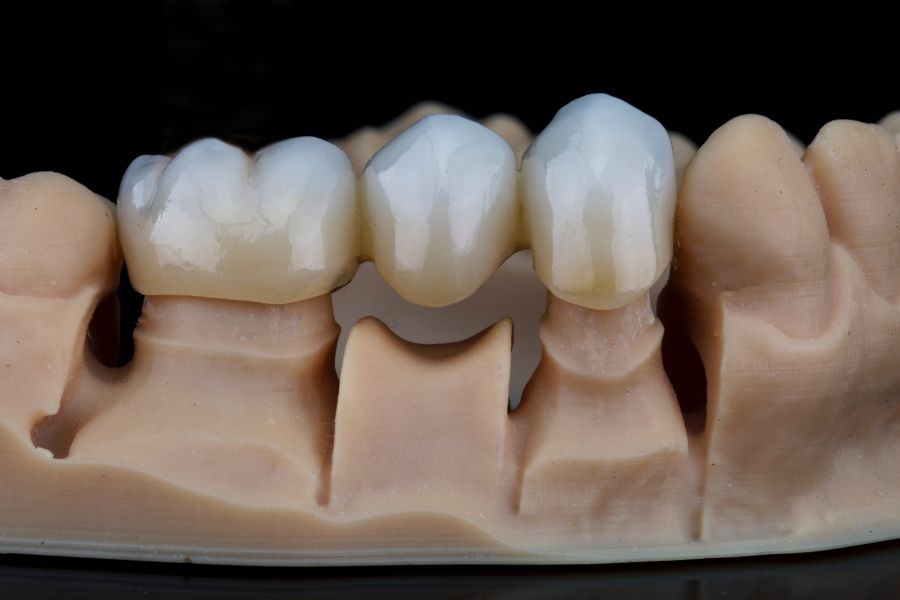
Partial dentures are a removable appliance used to replace either one missing tooth or a group of teeth, by attaching to the present teeth.
One missing tooth or group of teeth is replaced by a partial tooth. They are fastened with clasps or attachments to the remaining teeth in the arch. They can be made of metal or acrylic.
How can I eat with dentures?
During the first weeks, new teeth may feel bulky and awkward. Mouth sores can appear and the gums may take time for the new dentures to get used to. After the first couple of weeks, your mouth will adapt to eating and talking.
Start with soft foods like soups, pasta, rice, soft fish or chicken when you eat for the first time. Take small bites, and chew the food with your denture from both sides of the mouth. The taste may be different during the early stages, but with time it should improve. In some cases, the temperature of food and drinks can be difficult to evaluate too, so we advise to be cautious.
Book a Consultation today
Call our dentures near Dingley Village team on 03 7034 7150 today or book an online consultation to discuss your denture options.
We offer comprehensive oral care solutions for the whole family at Keys to Smile. We serve a wide range of areas from our clinic near Dingley Village and many other areas nearby.
Areas We Serve: Braeside, Dingley Village, Springvale, Noble Park, Aspendale Gardens, Chelsea Heights and Chelsea
Tooth loss or the need for a tooth extraction can impact everyday functions such as eating, speaking, and maintaining oral health. Depending on individual clinical circumstances, partial or full dentures near Dingley Village may be an appropriate option.
At Keys to Smile, consultations are available for patients seeking general information about dentures. The team will discuss available options and their clinical aspects to help patients make informed decisions about their care.
Dentures, also known as false teeth, are removable tooth replacements used to replace missing teeth. They may assist with everyday oral functions, such as chewing and speaking, and can help support facial structure.
Dentures are most commonly used by adults who have lost some or all of their natural teeth. Over time, materials and techniques have developed, and modern dentures are designed with comfort, fit, and appearance in mind. Many are made from acrylic and can be colour-matched to blend with your gums and remaining natural teeth.
Depending on your individual circumstances, dentures may be considered a longer-term option or, in some cases, a temporary option following tooth removal.
You may benefit from a denture assessment if you experience:
A dental examination is required to determine the most appropriate treatment for your specific condition.
Full Dentures
Full dentures replace all teeth in the upper jaw, lower jaw, or both. They are usually removable.
Types include:
As your gums naturally change shape after extractions, adjustments are often required, especially with immediate dentures. In some cases, dentures may be supported by dental implants for additional stability. These are still generally removable and assessed individually
Partial Dentures
Partial dentures replace one or several missing teeth and are designed to work alongside your natural teeth. They are removable and may be made from:
They’re held in place using small clasps or attachments connected to your existing teeth.
The process of getting dentures usually involves several appointments, planned according to your individual needs. This may include:
Patients seeking dentures near Dingley Village receive ongoing clinical support from assessment through to maintenance.
Dentures may help to:
Individual results vary, and your dentist will discuss what outcomes are realistic for you.
When you first get your dentures, they might feel a little bulky or awkward, and some soreness in your gums is normal. It takes a little time for your mouth and muscles to adjust.
During the first couple of weeks:
Most people find that after a short adjustment period, eating and speaking with dentures becomes much easier and more comfortable.
Proper care is essential for oral health and denture longevity:
Routine dental reviews are important to monitor fit and oral tissues.
For patients seeking information about dentures near Dingley Village, a consultation is available at Keys to Smile. During the appointment, our dental team can explain the treatment options and provide advice tailored to your individual oral health needs. Our clinic accepts patients from the local area and surrounding communities.
Most people take their dentures out at night. It gives your gums a rest and can help keep your mouth comfortable.
A partial denture is often an option for a single missing tooth. A dentist can check your mouth and suggest what might suit you.
Dentures can be considered at any age, depending on individual oral health and tooth loss.
Some people feel a bit of soreness at first while their mouth gets used to them. A dentist can guide you through any adjustments.
Dentures are removable. They are not fixed in the mouth like natural teeth.

